Ensure Your Home's Safety: Critical Services Delivered by Qualified Electricians
Certified electricians offer vital services that strengthen residential safety. These experts handle frequent electrical issues and carry out scheduled inspections to identify potential hazards. These specialists confirm that all installations adhere to safety requirements while also recommending upgrades to outdated systems. Understanding these essential services can help avert emergencies and safeguard property value. Property owners often question which particular problems electricians address and how to choose the best professional for their situation.
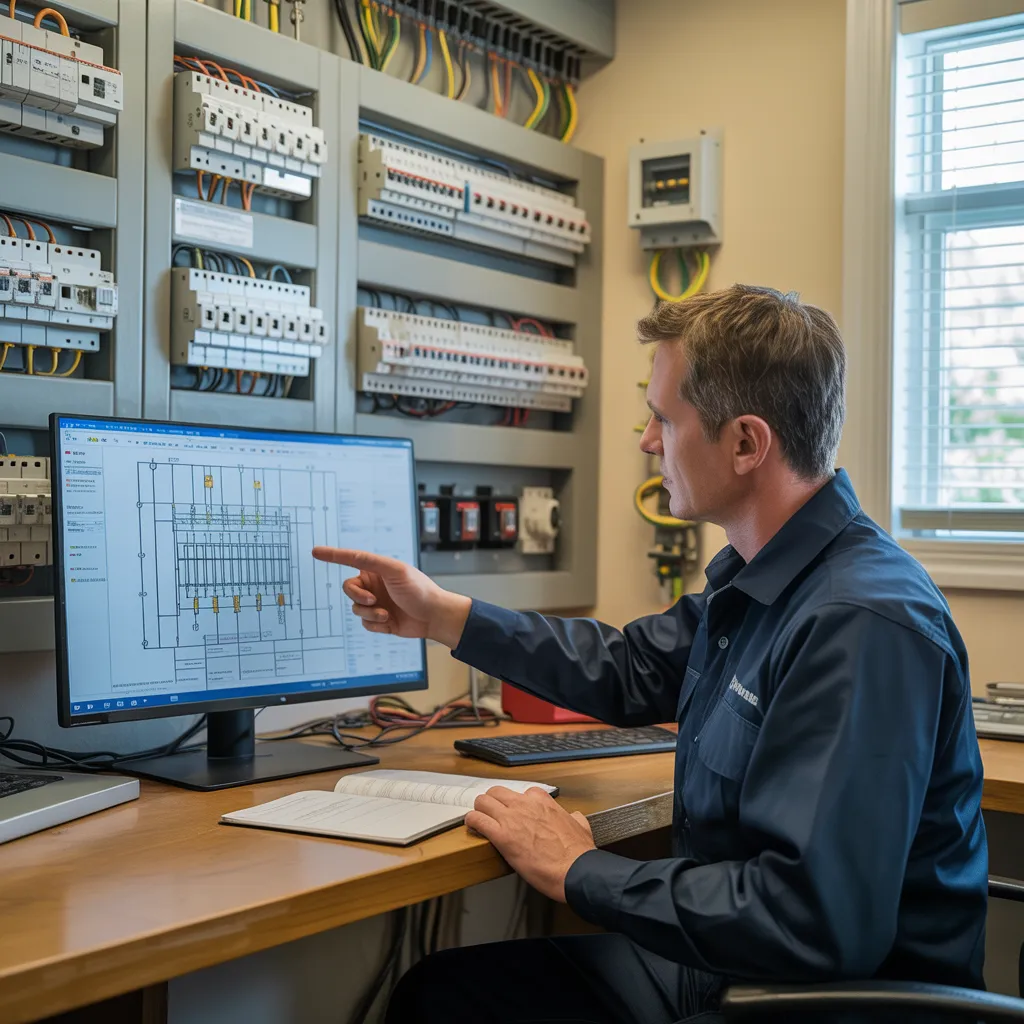
Frequent Electrical Issues and How to Resolve Them
Electrical faults have the potential to affect daily activities, making it essential to recognize common problems and their solutions. Intermittent light flickering, for example, commonly stem from unsecured bulbs or damaged wiring. Tightening connections or replacing bulbs can resolve this issue. Overloaded circuits, marked by consistent breaker interruptions, can be addressed by spreading appliances across multiple circuits or installing a new electrical panel.
A frequently encountered concern relates to outlets that cease to operate, which can result from tripped breakers or faulty wiring. Evaluating the breaker and reviewing the outlet can aid in pinpointing the issue. Additionally, ground fault circuit interrupters (GFCIs) might trip without warning because of moisture or malfunctioning devices; resetting the GFCI or swapping out faulty devices can bring back full functionality. Recognizing these common electrical problems enables homeowners to address issues promptly, ensuring safety and efficiency within their households.
The Significance of Routine Electrical Inspections
Although many homeowners may overlook the importance of scheduled electrical evaluations, such evaluations are critical for preserving the safety and functionality of every property. Scheduled evaluations uncover potential hazards such as defective wiring, aging systems, and overloaded circuits, that may result in electrical fires or equipment failures. By resolving these concerns in advance, homeowners can prevent expensive repairs and guarantee compliance with safety regulations.
Furthermore, inspections aid in detecting energy inefficiencies, allowing for adjustments that can lead to reduced utility costs. Professional electricians are equipped to recognize minor indicators of deterioration that remain invisible to those without specialized knowledge. Beyond that, scheduled inspections commonly improve the durability of home electrical systems and connected appliances, positively impacting the property's worth. At the core of it all, scheduling consistent electrical inspections serves as a critical step in preserving those living in the home as well as the home's long-term integrity.
The Role of Inspections in Achieving Safe Installations
Periodic electrical inspections play an essential role in ensuring that installations are carried out safely and effectively. These inspections allow licensed electricians to evaluate existing wiring, outlets, and fixtures, detecting potential dangers or code violations before new installations begin. By examining the comprehensive condition of the electrical system, electricians are able to resolve problems such as obsolete wiring or insufficient grounding, which may pose a threat to safety.
Furthermore, these evaluations create an opportunity to ensure that every component adheres to current safety regulations. This preventative approach not only improves the safety of the installation but also shields homeowners from potential electrical failures or dangers. Certified electricians apply their knowledge to suggest essential upgrades or adjustments, guaranteeing that all installations conform to industry best practices. Ultimately, consistent inspections promote a safer home environment, giving homeowners confidence while decreasing the probability of electrical fires or system failures in the future.
Enhance Your Electrical Panel for Greater Safety
Modernizing the electrical panel is a critical step in improving the safety of a home. An aging electrical panel can create substantial risks, including damage to appliances and electrical fires. Qualified electricians recommend this upgrade to support contemporary power demands and guarantee consistent power distribution.
Modern panels are fitted with sophisticated protective features, such as circuit breakers that quickly cut off electrical current when overloads or faults occur. This minimizes the risk of overheating and potential hazards. Furthermore, an upgrade frequently enables the addition of more circuits, accommodating the increasing number of electronic devices in households today.
Homeowners could observe flickering lights, frequent circuit breaker trips, or a burning smell, all signs that an upgrade may be necessary. Consulting a licensed electrician can provide insights into whether an electrical panel upgrade is warranted, ensuring a safer living environment while meeting the demands of contemporary electrical usage.
How to Respond to an Electrical Emergency
Electrical crises can occur without warning, often highlighting the significance of a well-maintained electrical panel. In such circumstances, prompt action is essential to ensure safety. To begin, individuals should stay composed and examine what is happening. If there is smoke or flames, leaving the building and contacting emergency services should be the priority. For cases of electrical shock, one must avoid touching the victim directly and instead utilize a non-conducting material to remove them from the electrical hazard.
In the event of a power outage, inspecting the circuit breaker is a wise measure ahead of calling a licensed electrician. When unusual odors or buzzing sounds emerge from outlets, it is necessary to disconnect appliances and avoid using them until a certified specialist can examine the system. Above all, having copyright information for a licensed electrician readily available can enable prompt response during urgent situations, ensuring safety and reducing potential harm.
Tips for Choosing the Right Licensed Electrician
How does one make certain they are hiring the most suitable licensed electrician for their requirements? First, it is essential to verify the electrician's license and insurance, ensuring compliance with local regulations. Furthermore, consulting recommendations from friends, family, or online reviews can shed light on the electrician's trustworthiness and caliber of service.
Moreover, one should look into the electrical professional's background and expertise, as click here certain contractors prioritize home electrical work while others excel in commercial installations. Asking for a comprehensive quote, that includes the cost of labor and materials, is helpful for avoiding unexpected costs and comparing prices.
Furthermore, assessing communication skills is crucial; a skilled electrician should clearly explain issues and reply to inquiries patiently. Lastly, verifying warranties on jobs completed can indicate a pledge to excellence. By taking these factors into account, homeowners can make informed decisions, securing both safety and satisfaction with their chosen electrician.
Commonly Asked Questions
What Qualifications Should I Look for in a Licensed Electrician?
When searching for a qualified electrician, one should prioritize important factors such as valid licensing, relevant certifications, extensive experience, strong client testimonials, and adherence to safety regulations, ensuring both competency and reliability in electrical services.
What Is the Typical Cost of Electrical Services?
Electrical work is generally priced at $50 to $100 per hour, depending on the complexity of the job and the electrician's experience. Supplementary costs may arise for necessary materials, official permits, or emergency requests outside normal business hours.
Are There Any Warranties for Electrical Work?
Most certified electrical contractors include warranties for their completed projects, commonly covering materials and workmanship for a specified period. This assurance ensures the satisfaction of clients and delivers reassurance regarding the longevity and quality of the electrical services executed.
Am I Able to Do Electrical Work on My Own?
While individuals may attempt electrical work themselves, it is usually not a wise decision. Professional electricians have the skills and understanding required to ensure safety and adherence to regulations, reducing the likelihood of accidents and dangerous situations.
How Frequently Should I Schedule Electrical Inspections?
Homeowners should plan electrical inspections every three to five years, or more frequently if experiencing issues. Routine evaluations help identify potential hazards, ensuring protection and adherence with existing electrical codes and regulations.